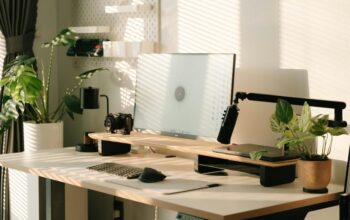
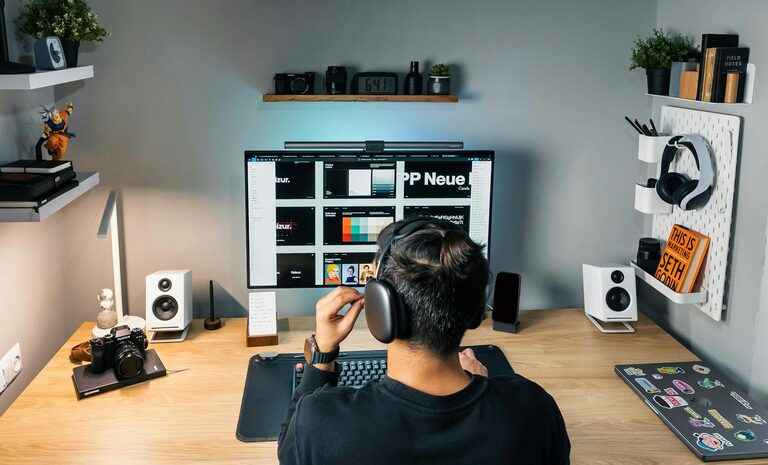
Working from home offers many advantages, but it also comes with unique challenges, especially when it comes to maintaining focus and creativity. A well-designed workspace can make a significant difference in your productivity and overall work satisfaction. Whether you have a dedicated room or a small corner, here are some helpful tips to create a home workspace that encourages concentration and inspires creative thinking.
Choose the Right Location
Prioritize Natural Light
Natural light has been shown to improve mood and energy levels. Position your desk near a window if possible. The sunlight not only reduces eye strain but also helps regulate your body’s internal clock, leading to better focus throughout the day.
Minimize Distractions
Select a quiet spot away from the busiest areas of your home. If you don’t have a separate room, consider using noise-cancelling headphones or white noise machines to block out background noise like TV, conversations, or household appliances.
Invest in Comfortable and Functional Furniture
Ergonomic Chair and Desk
Your chair and desk are the foundation of comfort. Choose an ergonomic chair that supports your back and promotes good posture. The desk height should allow your arms to rest comfortably at a 90-degree angle when typing or writing.
Keep Essentials Within Reach
Arrange your workspace so that frequently used items are easily accessible. This reduces unnecessary movement and helps maintain focus. Use organizers, shelves, or drawers to keep supplies neatly stored but close by.
Personalize Without Overcrowding
Add Inspiring Elements
Decorate with things that motivate you—a favorite piece of art, plants, or meaningful photos. Greenery in particular has been found to reduce stress and improve creativity by connecting you with nature indoors.
Avoid Clutter
While personal touches add charm, too many items can cause distractions. Keep your desk clean and organized, allowing plenty of free space for your computer or notebook. A clutter-free workspace helps maintain mental clarity.
Optimize Lighting for Every Task
Use Task Lighting
In addition to natural light, have a desk lamp with adjustable brightness. This is especially useful when working in the early morning or evening hours and helps reduce eye fatigue.
Balance Ambient Light
Avoid harsh overhead lighting or glare from screens by combining soft ambient lighting with task lights. The right lighting setup creates a comfortable environment that supports extended periods of work.
Establish Boundaries and Routine
Set Work Hours
Designate specific hours for work and stick to them. Clear boundaries help your brain switch into “work mode” and limit distractions. Communicate your schedule with family or housemates to minimize interruptions.
Create a Start-of-Day Ritual
Begin your workday with a simple routine—whether it’s making a cup of coffee, organizing your to-do list, or a few stretches. This signals the transition from home life to work mode and prepares your mind for focused activity.
Use Technology Wisely
Streamline Your Tools
Keep your computer desktop and digital files organized. Use productivity apps or timers to manage your tasks and breaks effectively. However, try to avoid having too many notifications or open tabs that can pull your attention away.
Invest in Good Connectivity
A stable internet connection is essential to prevent frustrating interruptions. If possible, use a wired connection or position your workspace closer to your router for better performance.
Incorporate Movement Breaks
Take Regular Short Breaks
Sitting for long periods can reduce productivity and creativity. Every hour, stand up, stretch, or walk around for a few minutes. This improves blood flow and helps refresh your focus.
Try Simple Desk Exercises
If space is limited, try seated stretches or desk yoga moves. These quick activities can invigorate your body and mind without requiring a lot of time or room.
Keep Your Workspace Flexible
Adapt for Different Tasks
Consider having different zones or setups for various activities—such as a computer station, a writing area, or a reading nook. Even small changes in posture or scenery can spark creativity.
Change Your View Occasionally
If you feel stuck or uninspired, try relocating temporarily to a different room or sit outdoors if possible. A new environment often provides fresh perspectives.
—
Designing a productive home workspace doesn’t require a large budget or a dedicated room. By thoughtfully arranging your environment and habits, you can create a space that supports both focus and creativity. With these tips, you’ll be better equipped to enjoy your work and achieve your goals from home.