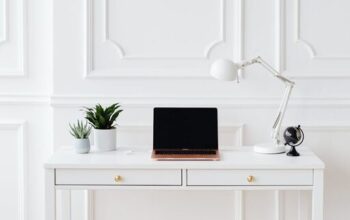

Creating a home office that feels cozy and promotes productivity can make a big difference in your work-from-home experience. Whether you’re setting up a new space or improving an existing one, the goal is to design an environment that supports focus, inspires creativity, and keeps you comfortable during work hours. Here are practical tips to help you create a home office that truly works for you.
1. Choose the Right Location
Selecting the right spot for your home office is the first step toward creating a productive workspace.
– Natural Light: Whenever possible, choose a room or corner with plenty of natural light. Sunlight improves mood and energy levels.
– Quiet Space: Pick an area where you can concentrate without distractions, away from noisy household activities.
– Space to Work: Ensure there’s enough room for your desk, chair, and other essentials, plus some extra space to move around.
2. Invest in Ergonomic Furniture
Comfort is key for long hours spent working.
– Ergonomic Chair: A chair with good lumbar support reduces back strain and helps maintain proper posture.
– Proper Desk Height: Your desk should allow your arms to rest comfortably at a 90-degree angle.
– Adjustable Furniture: Consider desks and chairs that can adjust to your needs, including standing desks if you want to alternate between sitting and standing.
3. Optimize Lighting
Good lighting supports focus and reduces eye strain.
– Layered Lighting: Combine natural light with overhead lighting and task lamps to create balanced illumination.
– Warm Light for Coziness: Use warm or soft white bulbs rather than harsh fluorescent lights to make the space inviting.
– Position Lights Wisely: Avoid glare on computer screens by positioning lamps and monitors thoughtfully.
4. Personalize Your Space
Adding personal touches helps you enjoy your workspace and feel more connected to it.
– Decorate with Plants: Indoor plants can reduce stress and improve air quality.
– Artwork and Photos: Display art or photos that inspire and uplift you.
– Color Choices: Use calming or motivating colors according to your preference. Soft blues, greens, or warm neutrals work well for many.
5. Declutter and Organize
A tidy workspace encourages clearer thinking and efficiency.
– Storage Solutions: Use shelves, drawers, and organizers to keep supplies and paperwork out of sight when not in use.
– Minimalism: Keep only items you need on your desk to avoid distractions.
– Cable Management: Use clips or cable organizers to keep wires neat and prevent tangles.
6. Incorporate Technology Wisely
Technology should support your work without becoming a distraction.
– Reliable Equipment: Invest in quality computers, printers, and internet connections to prevent frustrations.
– Noise-Canceling Headphones: These can help block out background noise for better focus.
– Tech-Free Break Spaces: Consider having a separate area to step away from screens during breaks.
7. Establish Boundaries
Setting clear boundaries between work and home life can boost productivity and reduce stress.
– Dedicated Workspace: Use your office space only for work to create mental separation.
– Set Work Hours: Define specific work times and communicate them to household members.
– Break Areas: Have a separate spot for breaks to recharge and avoid burnout.
8. Add Comfort Features
Small touches can make your office feel welcoming.
– Soft Textiles: Include a comfortable rug, cushions, or a cozy throw.
– Temperature Control: Use fans, heaters, or air purifiers to maintain a comfortable climate.
– Essential Oils or Candles: Pleasant scents can create a calming atmosphere, just make sure they are used safely.
9. Keep Inspiration Nearby
Surrounding yourself with inspiration can enhance creativity and motivation.
– Vision Board or Whiteboard: Visualize goals and important tasks.
– Books and Resources: Keep motivational or work-related books within reach.
– Music or Background Sounds: Soft instrumental music or ambient sound apps can help concentration.
Conclusion
Designing a cozy and productive home office is about balancing comfort with functionality. By choosing the right location, investing in ergonomic furniture, optimizing lighting, and personalizing your space, you create an environment that supports your best work. Don’t forget to keep your workspace organized, incorporate helpful technology, and set boundaries to maintain focus and well-being. Small details like plants, textiles, and inspiration can make your office a pleasant place to spend your workday, helping you stay motivated and energized.
With these tips, you’re well on your way to creating a home office space where productivity and comfort go hand in hand. Happy decorating!